
Interview with Ayush, co-founder of Elphas — the Reddit + SEO playbook that scaled an AI Mac app to $150K/year

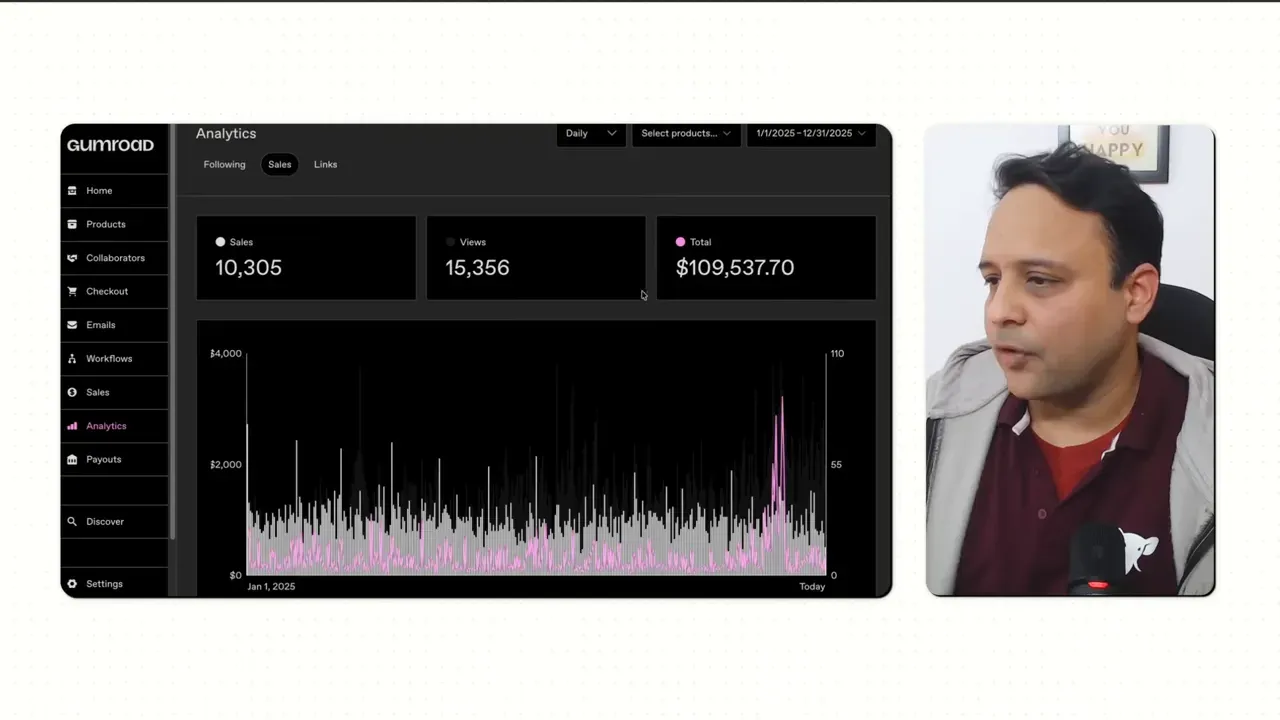
Table of Contents
- 🚀 Why this matters
- 🧰 The setup — what Elphas is and how the business runs
- 🧩 Phase 1 — Reddit: fast feedback, niche traction, and the first dollars
- 📈 Phase 2 — SEO: systematize discovery and scale revenue
- 🛠️ Tech stack and practical tools
- 🧾 Real talk — advice for people building right now
- 🧾 Closing checklist — copyable items for solo builders
- ❓ FAQ
- 🔁 Final note — the playbook summarized
🚀 Why this matters
Building is cheap. Shipping something people will actually pay for is not. This interview reads like a toolkit for solo builders who want an AI-powered launch system for creators that actually brings customers—not vanity metrics.
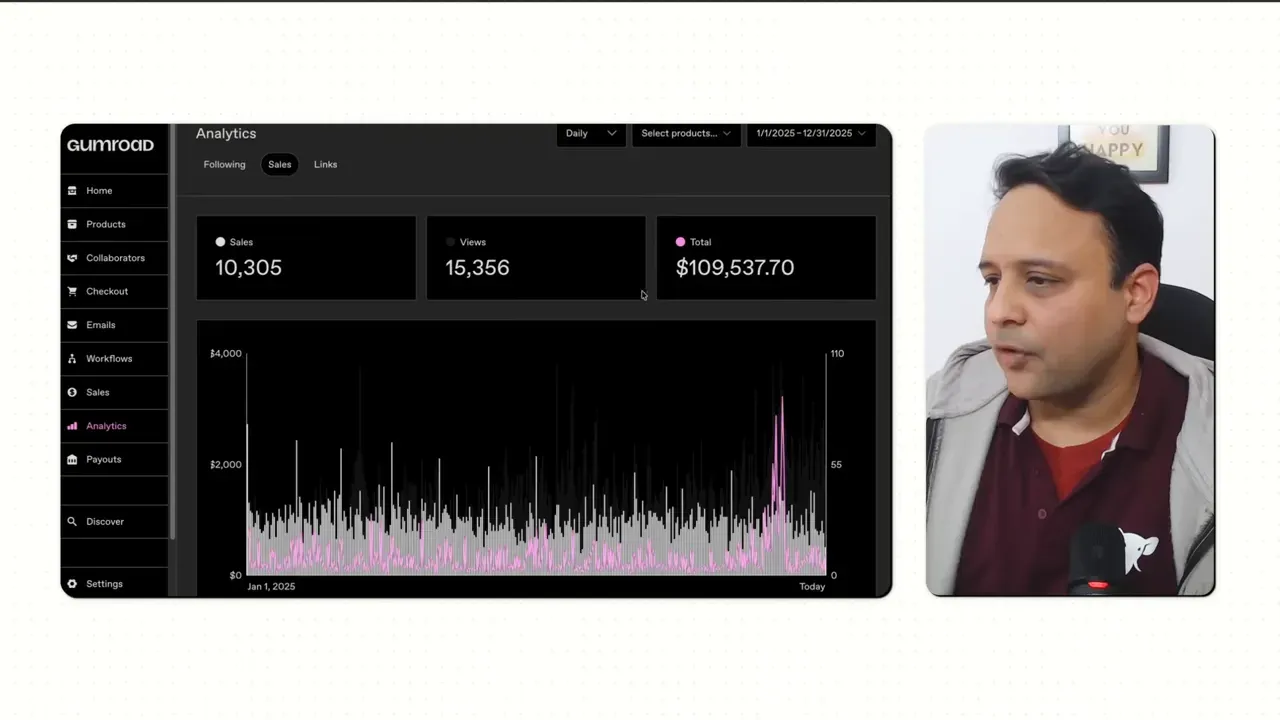
Ayush built Elphas, a native Mac app that turns local files into searchable "super brains" and reached roughly $150,000 per year. His playbook was lean and repeatable: start on Reddit to get fast product feedback and initial customers, then build an SEO flywheel to scale sustainable organic revenue.
🧰 The setup — what Elphas is and how the business runs
What is Elphas and how does it make money?
Ayush describes Elphas as a Mac AI assistant that indexes local files—PDFs, Apple Notes, documents—and turns them into private knowledge bases users can chat with. The product is built for people who store valuable knowledge locally and need reliable, grounded answers for work.
The business model is straightforward: downloadable app with three pricing options—monthly, annual, and a lifetime deal. Because it is a Mac app, lifetime pricing was essential early on; buyers in downloadable-app markets expect one-time purchases. Over time the team raised prices as value and features matured.
Where did the revenue come from?
Ayush laid out four revenue channels: the product website, Setapp, the Mac App Store, and iOS App Store. Gumroad handled most license sales. Early traction was concentrated on the website and Gumroad, with Setapp and the app stores contributing smaller but important streams. The site reached around 180,000 visits per year once SEO kicked in.
🧩 Phase 1 — Reddit: fast feedback, niche traction, and the first dollars
Why Reddit first?
Ayush frames Reddit as a goldmine for founders building niche tools. Small, focused subreddits hold high-intent, expert audiences who hate being sold to but will give brutally honest feedback. That feedback helped the team iterate quickly and convert early users into paying customers.
What did the Reddit playbook look like, step by step?
The process Ayush recommends is tactical and repeatable:
- List subreddits: Find 15 subreddits where the ideal customer profile hangs out. Use the Map of Reddit to discover related niche communities. Subreddits with 5,000+ members are fine—smaller ones often convert better.
- Pick one feature or pain point: Don’t launch everything at once. Focus on one concrete solveable problem your app addresses.
- Make a short demo video: Show, don’t tell. A demo that explains the problem and how the feature fixes it performs far better than promotional copy.
- Post, wait, analyze: Post once per day in one subreddit. Track performance with UTM-tagged links so you know which subreddit and which copy created the signup.
- Tweak and repeat: Improve copy and iterate across other subreddits for at least two weeks. Don’t blast the same post everywhere in a single day—audiences overlap and moderators notice.
What did a successful Reddit post look like?
Ayush shared an archetype that worked: a short story framing (me or a friend had problem X), a compact demo video showing the feature solving X, an honest ask for feedback, and an unobtrusive 30-day free trial link with UTMs. The formula avoids blatant self-promotion and invites conversation.
Results varied. Some posts got only a few upvotes; others went viral with hundreds. The real payoff was qualitative: detailed comments, feature requests, and real-world use cases that shaped product priorities.
How to handle negativity and moderator rules?
Expect some pushback. Ayush recommends building a thick skin. Moderators sometimes remove posts and accounts can get banned. Practical steps include owning multiple accounts for backups and focusing on genuine value—honest, transparent posts are less likely to be treated as spam.
📈 Phase 2 — SEO: systematize discovery and scale revenue
How did SEO fit into the plan?
Reddit created the early momentum and product-market fit signals. SEO turned those signals into a durable acquisition engine. Ayush stumbled into organic traffic by publishing help articles to serve early customers. One seemingly small guide—how to create OpenAI API keys—ranked number one on Google for months and exposed the team to consistent inbound traffic.
What ended up working for SEO?
The SEO strategy is low-glamour and repeatable:
- Know your positioning: Define where you sit in the market. For Elphas it was "ChatGPT Mac apps"—a clear label used to find relevant keywords and content angles.
- Target low-difficulty, mid-volume keywords: Use Ahrefs or similar tools and filter for keyword difficulty under 20 and volume above 500. These are often underserved, high-intent queries a new site can rank for.
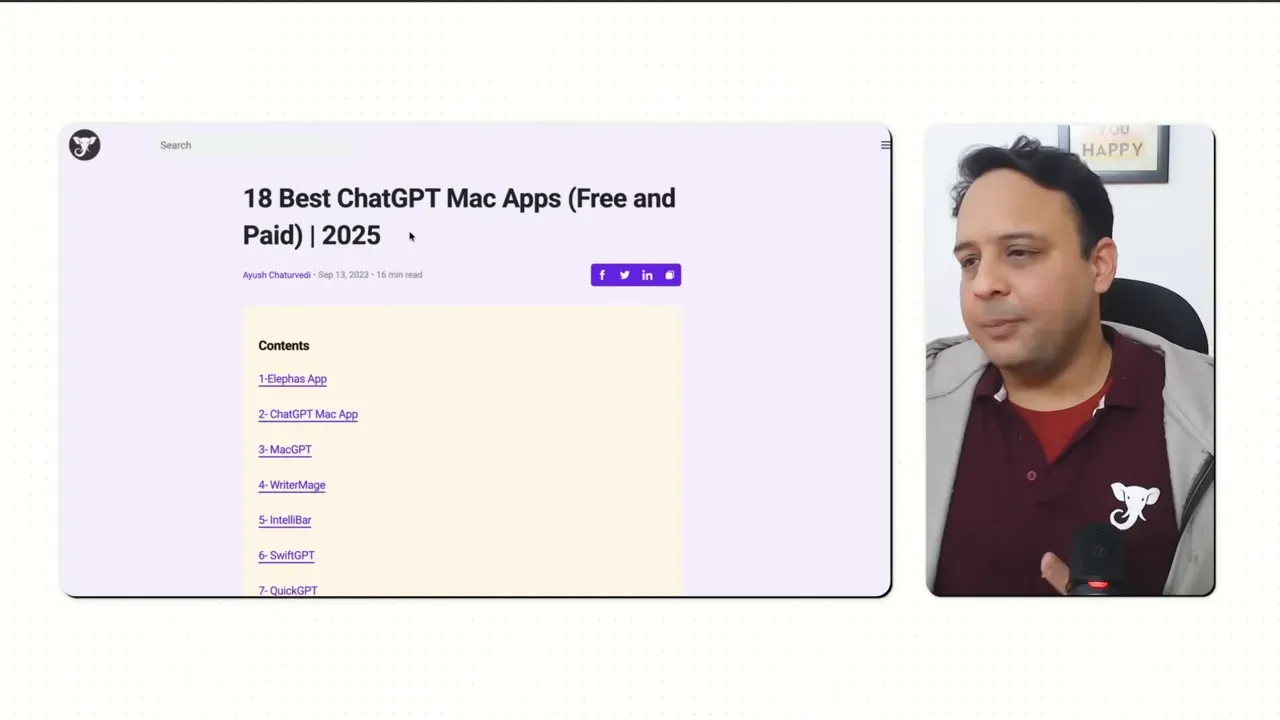
- Write useful content derived from actual users: Support docs, listicles (for example "18 best ChatGPT Mac apps"), comparisons, and real-user case studies performed well. AI answer engines began referencing their articles, amplifying reach.
- Use AI as an assistant, not a substitute: AI is great for outlines, research, and scaffolding. Add your own data, screenshots, and user insights to make content unique.
- Consistency beats quantity early: Start with 2–3 posts per week and increase only when you can maintain quality and original insights.
How much did SEO move the needle?
Over a 12 month stretch, SEO contributed roughly $70,000 in revenue for Elphas. What Reddit started—initial product validation and customers—SEO scaled into ongoing, compounding signups that increased monthly recurring revenue from low thousands to around $12K per month.
🛠️ Tech stack and practical tools
What tech and tools did Elphas rely on?
Ayush kept the stack minimal and pragmatic:
- Product: Native Mac app built with Swift.
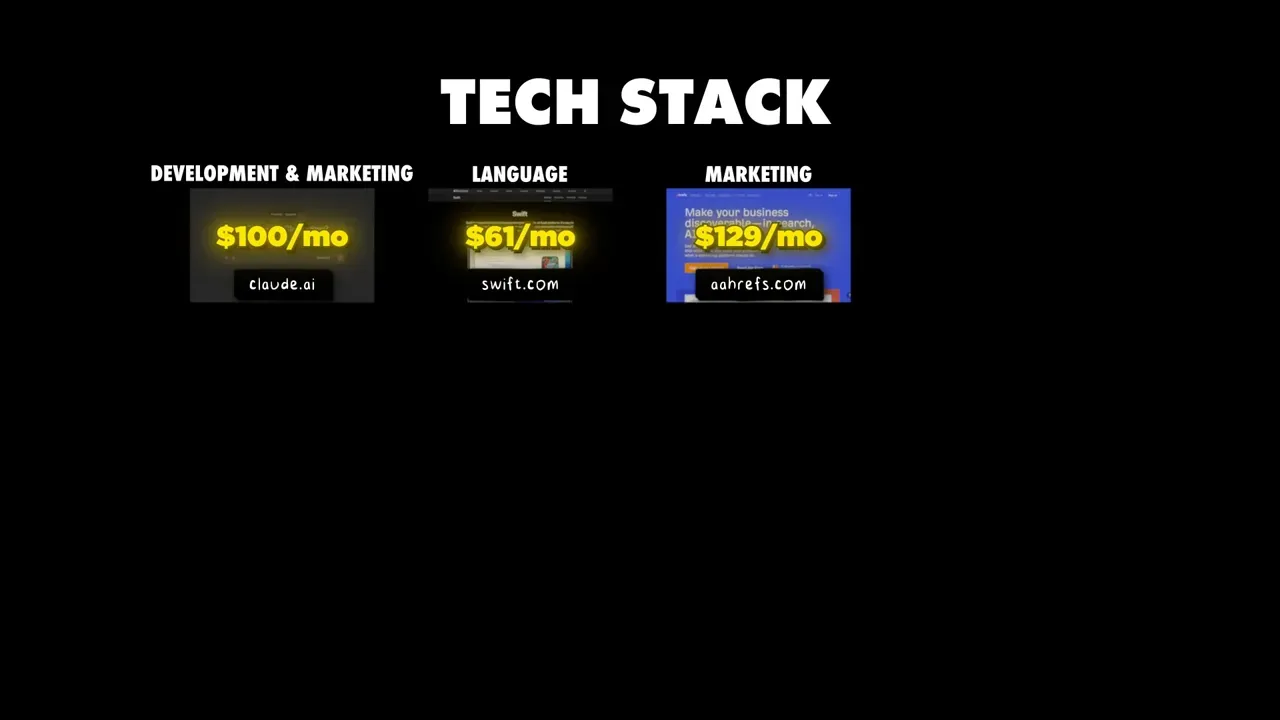
- AI tooling: Clooud Code (noted as a $100/month high ROI tool used across dev and marketing), and open source models for offline use.
- SEO & content: Ahrefs for keyword research (pay once to extract data if budgets are tight), NeuronWriter to pre-check articles before publishing, Google Search Console for free performance monitoring.
- Distribution & sales: Gumroad for license sales; Setapp for bundling; Mac and iOS App Stores.
- Ops & analytics: ClickUp for work tracking, Discord for community and feedback, Superblocks for hosting, MailerWrite for email, and Plausible for privacy-friendly analytics.
How much did it cost to run?
The most meaningful recurring costs were Ahrefs and cloud/AI tooling. Ayush recommended using Ahrefs for a short burst if budgets are tight—one month of data can guide several months of content planning. Overall, the build was bootstrapped and affordable compared with paid ads.
🧾 Real talk — advice for people building right now
What would Ayush tell his younger self?
"Put more buy buttons on the internet" was the blunt recommendation. Ship with pricing, accept payments, and force the learning that comes when someone decides whether to pay. Waiting behind a waitlist or a free sign-up robs the founder of the most honest signals: do people value and buy this?
Both founders behind Elphas had many failed projects before this one. Short test cycles, lots of small bets, and early monetization helped them learn quickly which ideas would stick.
What would a founder test tonight?
- Create one short demo video that solves one specific problem.
- Find 10–15 niche forums or subreddits where the customer spends time.
- Post the demo with an honest feedback ask and a 30-day trial link with UTMs.
- Document every comment and feature request. Turn two reoccurring asks into a plan for the next two weeks.
- Write one help article addressing a specific keyword your early users asked about. Aim for low difficulty/high intent using a free trial of Ahrefs or keyword tools.
🧾 Closing checklist — copyable items for solo builders
- Reddit: 15 subreddits, daily posts for two weeks, one feature per post, UTM-tracked links.
- SEO: 30–50 topic seeds from keyword research, publish 2–3 high-quality posts per week, use AI for outline + your data for meat.
- Monetize early: Put a real buy button on day one. Even a simple Gumroad checkout teaches more than a year of silent development.
- Tools: Ahrefs (short burst), NeuronWriter (optional), Plausible, Discord for community feedback, ClickUp for tasks.
❓ FAQ
What exact Reddit post format did they use to get feedback without sounding salesy?
The format is deliberately simple: a one-sentence problem statement (me/my friend had X), a short demo video showing the feature fixing X, a clear ask for feedback, and a small trial link. The tone is transparent and the call-to-action is "try for feedback" rather than "buy now."
Can SEO still work for new SaaS in a post-ChatGPT world?
Yes. The key is to target low-difficulty keywords where you can add unique, first-hand value. Support docs, product comparisons, and listicles that reflect real user data still rank and convert. Use AI to speed research, but add original insights users cannot find elsewhere.
How should a founder balance Reddit and SEO effort?
Use Reddit for product discovery and fast feedback until you have clear signals. Once you know the core features and common questions, pivot effort into SEO content that addresses those questions at scale. Reddit feeds product roadmap; SEO feeds predictable organic acquisition.
🔁 Final note — the playbook summarized
This is not a silver bullet; it's a sequence that compounds. Reddit gives you qualitative truth fast. SEO converts that truth into predictable traffic and revenue. Pair both with early monetization and a small set of practical tools and you have an AI-powered launch system for creators that scales without blowing the budget.
The practical test: record one demo, find 10 subreddits, launch a post, and publish one helpful article next week. Track what converts and double down on the channels that do.
This article was inspired by this amazing video How I Grew My SaaS to $150K/Year With Reddit and SEO. Check out more from their awesome channel.