
Interview with Katie Keith, builder of a 19-plugin portfolio generating $1.8M/year

An AI-powered launch system for creators sounds like magic until you see the engineering replaced by pattern, cadence, and ruthless prioritization. This conversation with Katie Keith is a blueprint for solo builders and small teams who want recurring revenue without the monolithic product trap. Katie did not bet the company on one product. She quietly built related, focused plugins, optimized discoverability, and turned cross-promotion into a compounding growth engine.
Table of Contents
- Why this matters 🧭
- Apps overview and the numbers 📊
- How the first product appears (without a magic roadmap) 🔎
- Growth: SEO, content, and compounding products 🌱
- AI-powered launch system for creators 🚀
- The setup: tools, stack, and how Katie runs it 🧰
- The magic: shipping cadence and cross-sell playbook ✨
- Reality check and advice for new builders ⚖️
- How to steal this playbook tonight 🔧
- Real talk: what this is not 🛑
- FAQ 🤖
- Closing note 🪓
Why this matters 🧭
Product fatigue and scope creep are the two silent killers of indie software businesses. Katie’s approach trades grand ambitions for repeatable, sellable slices of functionality. Each plugin solves a specific problem for WordPress and WooCommerce users. Together they compound into a portfolio that delivers predictable monthly revenue. This article lays out the system—idea sourcing, launch rhythm, marketing channels, cross-sell mechanics, and the practical tech stack—so a solo founder can test the same playbook tonight.
Apps overview and the numbers 📊
Pat: You run 20 different apps. How does that even work, and how big is this operation?
Katie built 19 WordPress plugins and one Shopify app. The plugins are small to medium tools—think document libraries, product tables, product options, content listing tables, and access control for WooCommerce categories. They are purpose-built: each does one thing well for a specific audience.
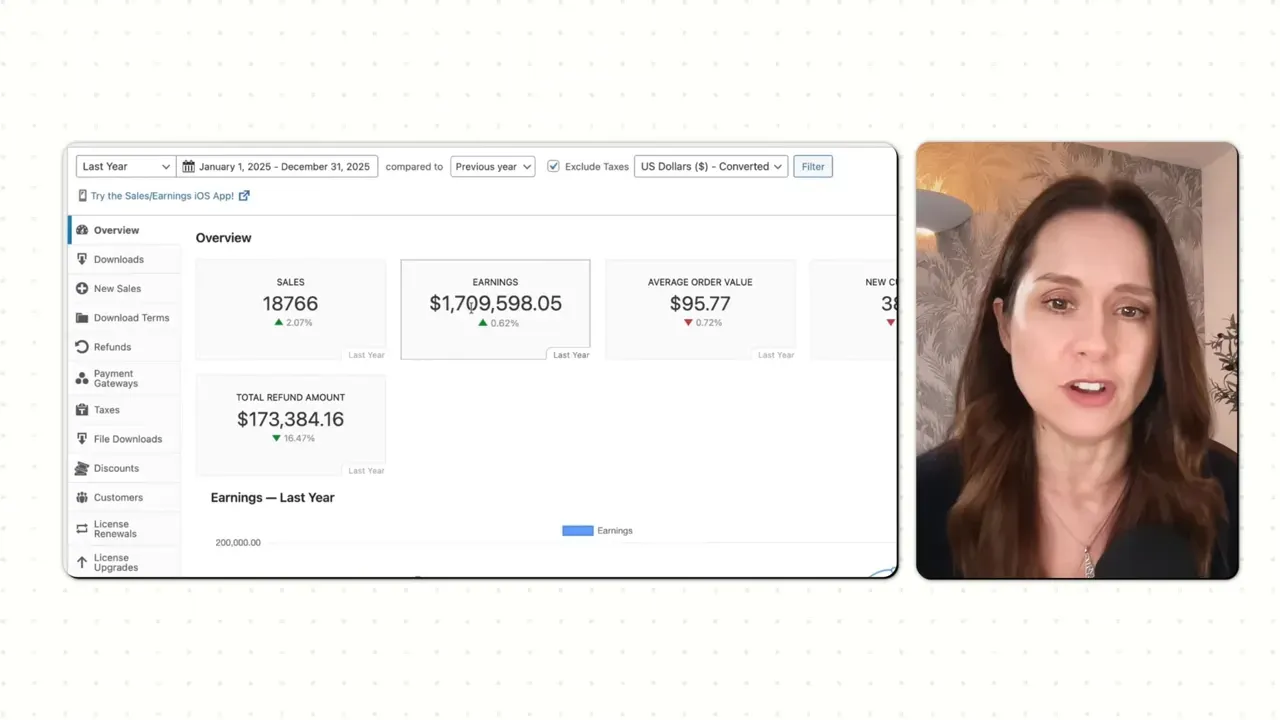
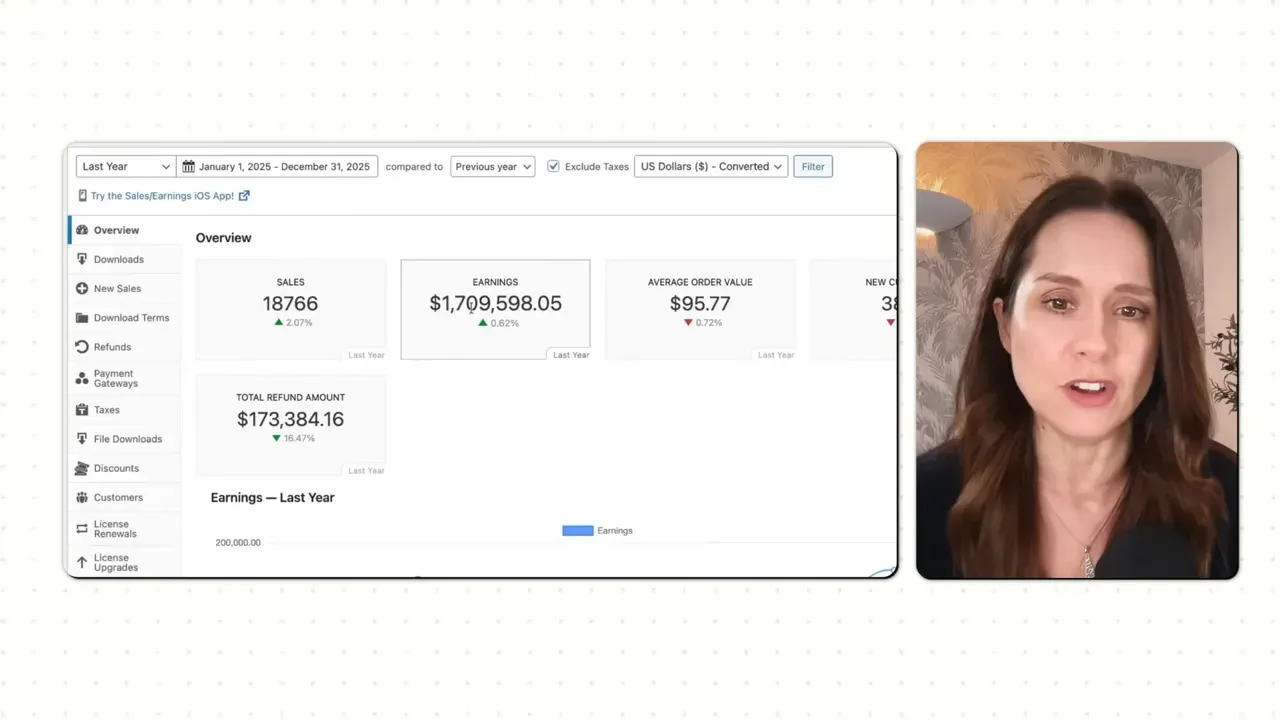
Financially it’s not vapor. The portfolio turns over roughly $1.7m to $1.8m annually. Average monthly revenue sits around $150k, with seasonality—November spikes and December softens. Lifetime sales across all plugins are close to $9.8m, and the premium plugins are active on over 90,000 sites. Active subscriptions are about 17,000, plus an extra slice from lifetime licenses that make up roughly 15% of revenue.
Pat: What kinds of plans do you sell?
Licensing is simple and predictable: one-site, five-site, or 20-site plans, available as annual subscriptions or lifetime purchases. The pricing structure is deliberately straightforward to reduce support friction and make purchasing decisions obvious for buyers.
How the first product appears (without a magic roadmap) 🔎
Pat: Where did the first plugin idea come from?
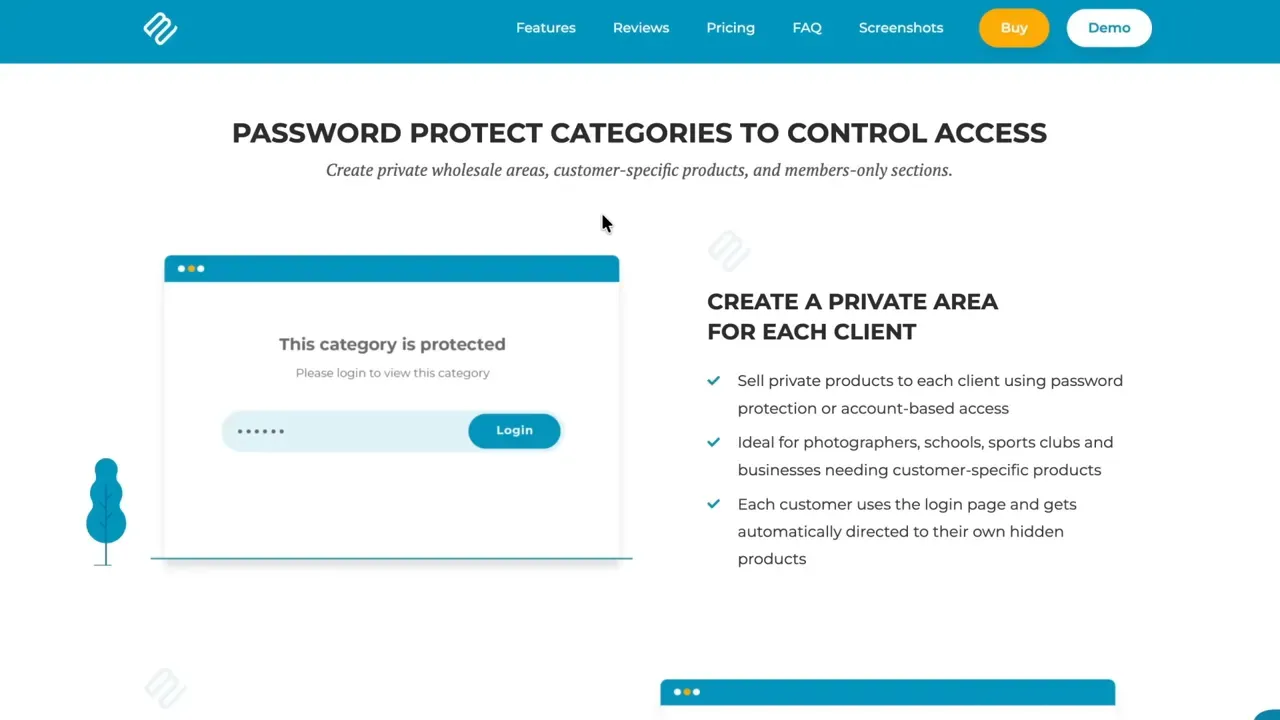
Katie did not start with a list of 19 brilliant ideas. She started with one obvious gap. The first plugin was born from research on a WooCommerce forum: users voting for a capability that didn’t exist. That plugin—access control for product categories—was small, unique, and easy to explain. It ranked well in search and delivered fast initial revenue.
The second product came from client work: a searchable table that lists any content type from WordPress. Customer requests for features in that plugin later sparked additional standalone plugins. Katie’s point is tactical and actionable: ship something, then listen. Real users generate real ideas via feature requests and edge-case needs. Sometimes the right response to a feature request is a new product, not a bloated feature in the first product.
Growth: SEO, content, and compounding products 🌱
Pat: What moved the needle most for growth?
Organic search. Katie leaned on practical, helpful content targeted at specific use cases. When a plugin solved a problem no one else solved, tactical tutorials and how-to posts ranked quickly. The content did not chase trendy topics. It taught users how to solve the exact problem the plugin solved.
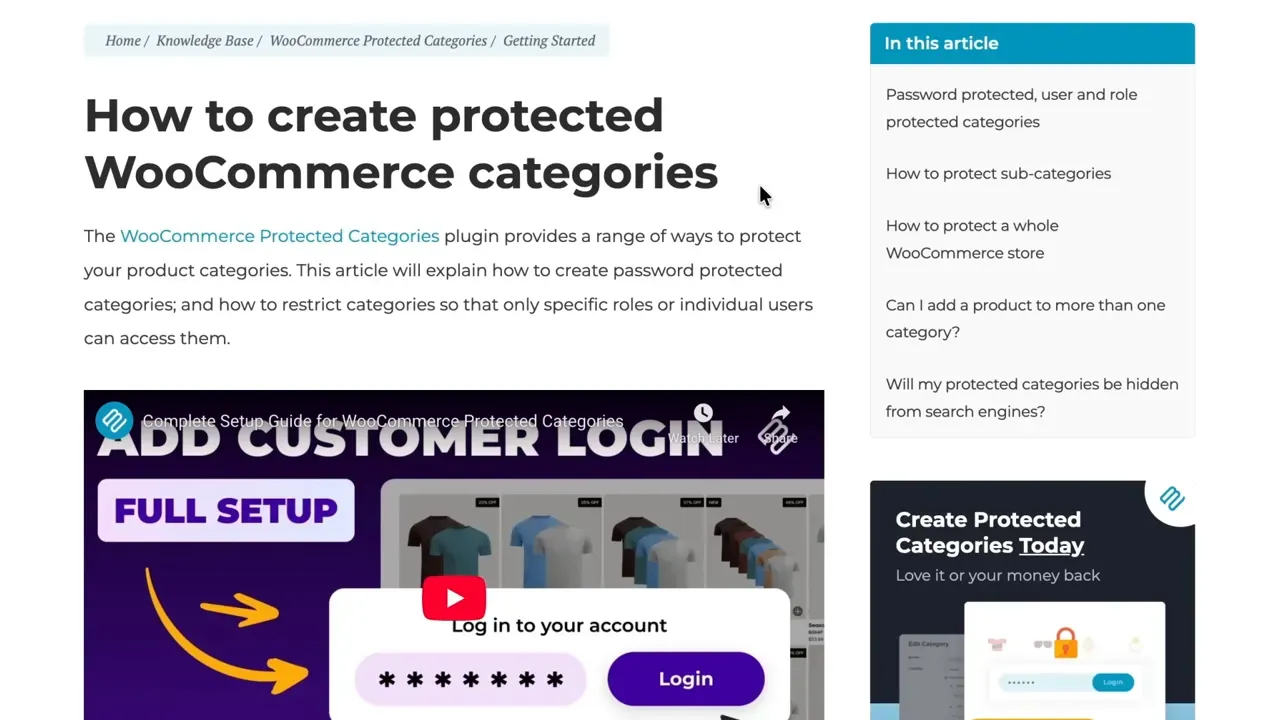
That focus on intent-driven content—blog posts, setup guides, and deep docs—keeps traffic steady and conversion-drivable. The goal is to match searcher intent to product value. When that happens, you don’t need massive advertising budgets; you need consistent, useful content.
Pat: How does having many products help growth?
The portfolio model is built around cross-promotion and customer lifetime value (LTV). If products are closely related, you can recommend one plugin to customers of another and expect reasonable conversion rates. Practical tactics include:
- Pairing each plugin with one or two closely related upsell targets.
- Sending a 50% off cross-sell email three days after purchase.
- Running segmented Black Friday campaigns that treat prospective buyers and current customers differently.
- Adding banners on settings pages to remind users of complementary tools.
- Bundling and packaging—create a one-plugin and two-plugin bundle that increases average order value.
The secret sauce is segmentation. Recommend only tightly relevant products so the upsell feels like a helpful add-on instead of a spammy pitch.
AI-powered launch system for creators 🚀
The current landscape makes it easier than ever to spin up small, focused apps. Katie says she would still follow a disciplined playbook if starting fresh in 2026. Her five-step approach is essentially a repeatable AI-powered launch system for creators, minus the hype:
- Focus on a domain you already know. Experience gives you insight into real problems and reduces risk.
- Generate several product ideas and validate them. Prioritize ideas with overlapping markets to maximize cross-sell potential.
- Build the one with the most potential and focus solely on it until it gains traction. Do not launch multiple products at once.
- When launching product two, treat it as a standalone launch with advanced cross-promotions aimed at users of product one.
- Repeat until you have a portfolio of revenue-generating products without spreading resources so thin that everything suffers.
AI and no-code tools lower the cost and time to build. But the order of operations remains the same: pick a domain, validate, execute, then scale by compounding related products.
The setup: tools, stack, and how Katie runs it 🧰
Pat: What tools and tech do you actually use to run this nearly $2M/year business?
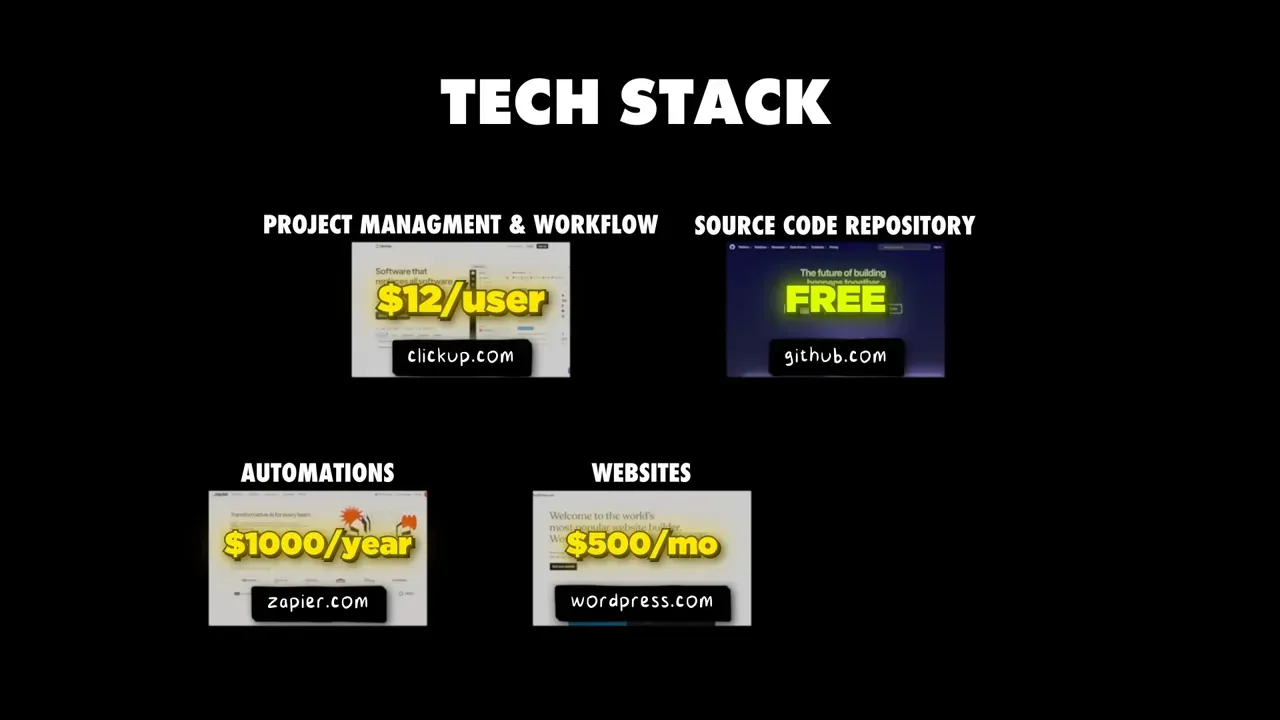
The stack is pragmatic and lean—no unicorn complexity. Key tools include:
- ClickUp for project management, time tracking, and internal company chat.
- GitHub for source control and repositories.
- Zapier for automations and integrations between tools.
- WordPress for the company site and some internal tools.
- Easy Digital Downloads for commerce, licensing, and delivery—this manages checkout and costs roughly $300/year.
A small, focused remote team ships and maintains the portfolio. The goal is to keep operational overhead minimal so the team can spend time building product improvements and content that drives organic traffic.
The magic: shipping cadence and cross-sell playbook ✨
Pat: So what does a repeatable launch and cross-sell system actually look like?
Katie’s approach reduces marketing to a handful of repeatable tactics designed to turn one buyer into several:
- Launch with a definitive value proposition and content that solves the buyer’s immediate problem.
- After purchase, send an automated email sequence with onboarding content and a timed cross-sell offer. Katie uses a 3-day post-purchase 50% off for a related plugin.
- Use in-app or in-settings banners on the plugin itself to surface complementary products organically to active users.
- Segment your lists for big campaigns like Black Friday so current customers get targeted offers while prospects get acquisition-focused messaging.
- Build bundles for the most common pairings and promote them on landing pages and checkout flows.
The point is to turn useful product overlap into repeatable revenue without annoying customers. If an additional plugin genuinely solves another problem the same customer has, the cross-sell serves both parties.
Reality check and advice for new builders ⚖️
Pat: If you could go back and tell yourself one thing before building the first plugin, what would it be?
Katie keeps it blunt. Her advice is a single instruction: just do it. Ship the product. The feedback loop that follows will teach more than months of planning. Even if the first product fails, the learning and customer conversations will fuel your next, better idea.
"Just do it."
From a tactical standpoint: start small, validate with real users, and keep your products narrow and composable. Narrow products are easier to explain, easier to market, and easier to maintain.
How to steal this playbook tonight 🔧
This is a toolkit disguised as an interview. If someone wants to test the multi-product approach fast, here is a condensed checklist that can be executed in a weekend.
- Audit your domain knowledge. What platform do you already use deeply? WordPress, Shopify, Notion, etc.
- Create a list of 10 micro-product ideas. Validate via quick searches: forum threads, subreddits, and search volume for precise queries.
- Pick the simplest idea that you can explain in one sentence and that matches search intent.
- Ship an MVP: minimal UI, single feature, and documentation. Publish a how-to post that targets the exact problem you solve.
- Setup a simple post-purchase automation that delivers onboarding and a timed cross-sell email (50% off related product).
- Track first 30 days of traffic sources and support requests—these become the roadmap for product two.
This is the same rhythm Katie used: launch, listen, iterate, then build the complementary product that your customers actually ask for.
Real talk: what this is not 🛑
This is not an endorsement of building 19 products overnight. It is not a shortcut to riches where one viral app replaces discipline. The portfolio model requires steady content marketing, support discipline, and product focus.
The leverage comes from compounding related offerings, not from multiplying unrelated ideas. If every new product targets a different market, operational complexity and support load will erode margins quickly.
FAQ 🤖
How did Katie find the initial plugin idea?
She found it by researching community forums where users voted for features. The first plugin addressed a gap in WooCommerce category access control. It solved a common, searchable problem and was easy to explain and market.
Where does most of the traffic and customers come from?
Organic search and intent-driven content. Helpful tutorials and highly specific how-to posts matched search queries that led directly to purchases.
How do you structure pricing and licensing?
Simple tiers: one-site, five-site, and 20-site licenses with annual or lifetime options. Keep pricing straightforward to reduce decision friction.
What are the key tools used to run the business?
ClickUp for coordination, GitHub for code, Zapier for automations, WordPress for the website, and Easy Digital Downloads for commerce and licensing.
Is this strategy still relevant with AI and no-code tools?
Yes. AI and no-code reduce the time to prototype, but the core playbook—pick a domain, validate, ship, then compound—remains the same. AI speeds execution but does not replace product-market fit.
Closing note 🪓
Katie’s approach is a pragmatic inversion of the single-product cult. Build narrowly, market clearly, and let customer requests map your product roadmap. Use cross-promotion and smart segmentation to increase LTV without annoying your users. The repeatable system described here is an AI-powered launch system for creators in spirit: use modern tools to accelerate the loop, but keep the loop itself simple and disciplined.
This article was inspired by this amazing video I Make $150K/Month From 20 Apps. Check out more from their awesome channel.