
Interview with Sarah Pearl, Founder of a $300K per Month Manifestation App

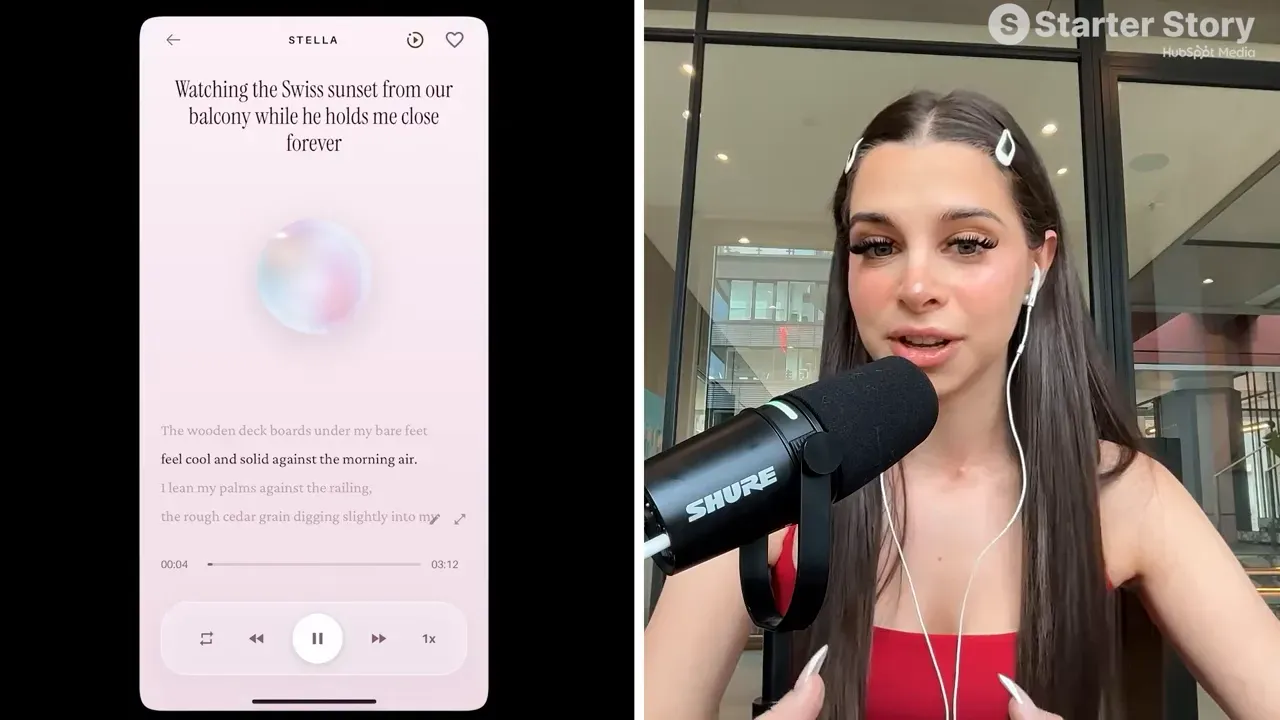
Table of Contents
- 🔥 Why This Even Matters for Builders
- 🧰 The Setup: What Sarah Built and What Powered It
- 🧠 Finding the Idea: Why This App Worked
- ⚡ Building Fast: MVP First, Perfection Later
- 📣 Distribution First: The Real Engine Behind the App
- 🎯 Marketing That Converts: Content, Demos, and ManyChat
- 🌊 The Bigger Trend: Why Sarah Thinks Women Will Dominate This Space
- 🪓 The Real Talk: Spite, Fuel, and Working Backward
- ❓ FAQ
- 🧩 Final Take
🔥 Why This Even Matters for Builders
Why does Sarah’s story matter beyond one successful app?
Because this is not really a story about manifestation. It is a story about leverage.
Sarah Pearl built Stella, a manifestation app, and got it to roughly $300K plus in monthly recurring revenue within about two months of launch. That alone is enough to make people do the usual thing, which is to shrug and say, “Sure, but she already had an audience.” Convenient. Also incomplete.
The more useful takeaway is that Sarah built around distribution first, used AI to remove the technical bottleneck, and launched something painfully simple that solved a very specific emotional problem. That combination is what makes this interesting for anyone trying to build an AI-powered launch system for creators, especially solo builders who are tired of collecting tools like they are Pokémon cards.
The bigger shift is this: app building is becoming less about who can code the hardest and more about who understands demand, attention, and speed. In other words, the moat is moving. Quietly. Rudely.
🧰 The Setup: What Sarah Built and What Powered It
What exactly is Stella?
Stella is a consumer app that creates custom visualizations and affirmations based on a person’s goals, dreams, and desired future. A user shares what they want, and the app generates personalized audio from the perspective of their future self, plus daily affirmations tailored to that identity.
It is not trying to be everything. It is not a bloated wellness dashboard with fourteen tabs nobody asked for. It does one core job clearly:
- Create custom manifestation content for the individual
- Deliver daily affirmations tied to personal goals
- Make the experience feel emotionally specific, not generic
That simplicity matters. A lot of founders build a junk drawer and call it a product. Sarah built one compelling use case first.
What results did Stella hit?
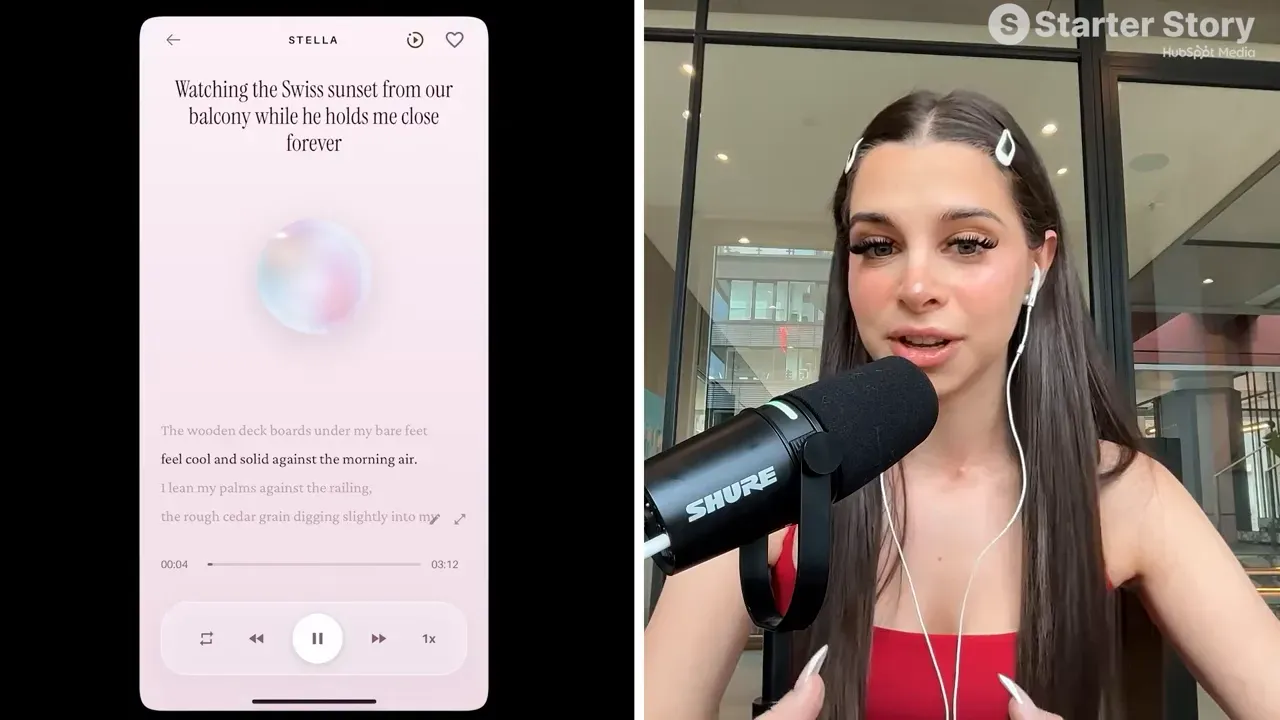
Sarah shared that the app reached around $341,000 to $360,000 in monthly recurring revenue shortly after launch, with roughly 12,000 paying customers and more than 200,000 downloads. The conversion rate was high, which she attributes in part to trust and familiarity built through her content.
That last part is important. People did not discover a random app in a vacuum. They discovered a product that fit naturally inside a content ecosystem that had already trained attention and interest.
What tools did Sarah use to build it?
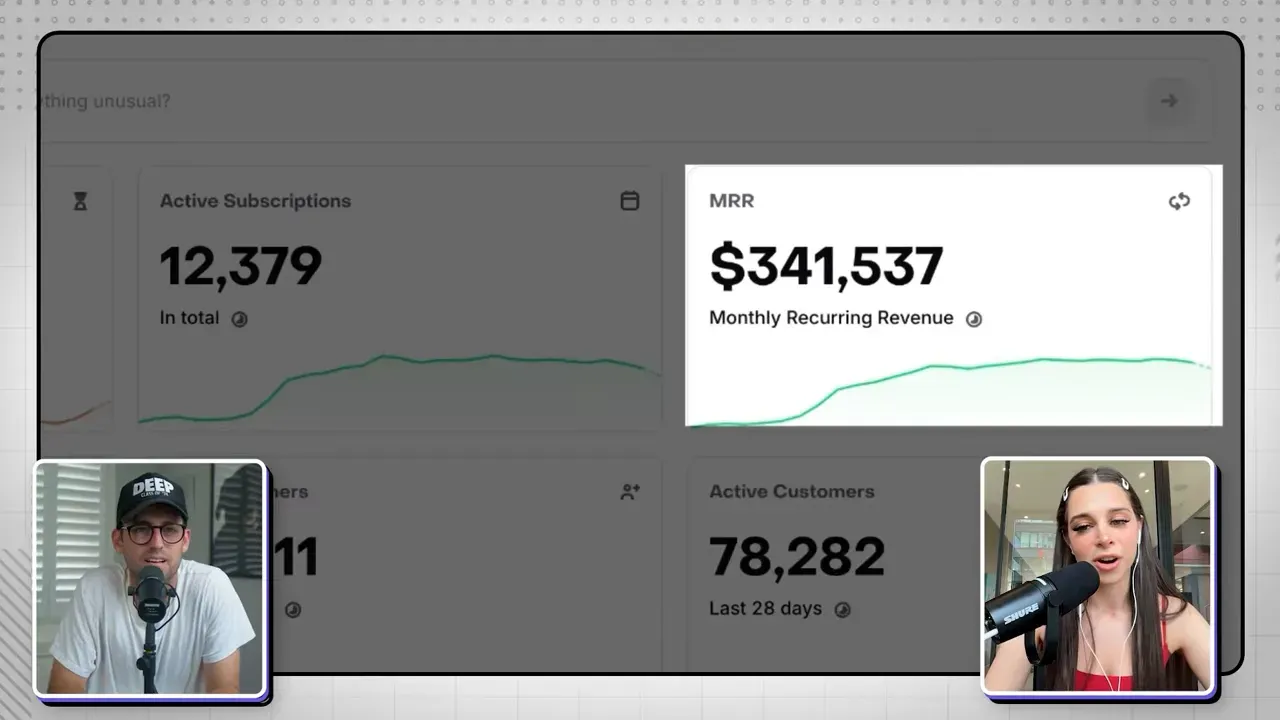
The stack was refreshingly unromantic:
- Claude for building and design support
- Google AI Studio as a major part of the workflow
- AI assisted coding tools and prompt driven iteration to get from idea to MVP fast
Her point was not that these are the only tools worth using. The point was speed. The winning setup is the one that gets an MVP live before someone else writes a think piece about doing it.
🧠 Finding the Idea: Why This App Worked
How did Sarah come up with the app idea?
She started with something personal and obvious to her, which is usually where the good stuff lives. Sarah already listened to meditations and visualizations. What she noticed was a market gap: existing options were generic. Nothing created a deeply customized visualization around a person’s exact goal.
That is where AI became useful. Not flashy useful. Actually useful.
If AI can personalize text, voice, and emotional framing at scale, then it can make this kind of product possible in a way that did not exist before. That was the opening.
This is one of the cleaner examples of an AI funnel builder mindset without calling it that. The content creates desire. The product fulfills that desire in a more personalized format. The handoff feels natural because the app is simply an extension of the content.
Why does she believe many founders build apps backward?
Because they start with the product and hope demand appears later like a lost package finding its way home.
Sarah’s approach is the opposite. She creates content first, pays attention to what resonates, studies what people save, what they comment, and what they wish existed. Then she works backward into the product.
That matters because content gives live market feedback for free:
- What language people use to describe their problem
- What emotions make them act
- What specific pain points trigger response
- What offer could fit naturally into the conversation
That is not guessing. That is product research disguised as distribution.
⚡ Building Fast: MVP First, Perfection Later
How fast did she build Stella?
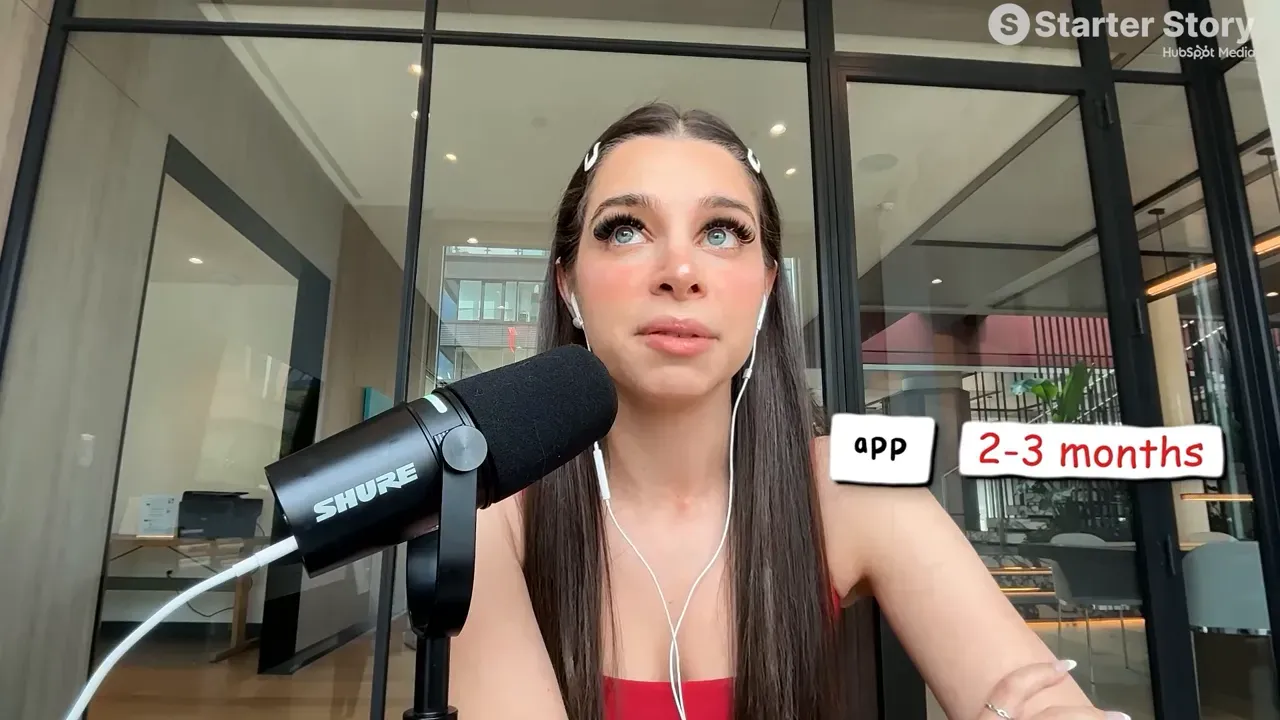
Sarah said the full app took around two to three months from start to finish, but the MVP was put together in about two days.
That should offend at least three people with expensive roadmaps.
Her advice is blunt: speed is the number one ingredient. The faster the MVP gets into the world, the faster real feedback shows up. And real feedback is worth more than twenty planning sessions and one suspiciously enthusiastic Notion template.
What should builders take from that?
If the goal is to launch with AI tools, then the build process should focus on one sharp promise. Not a big architecture diagram. Not a future feature list. One promise.
For Stella, that promise was simple: personalized visualizations and affirmations for the exact life someone wants.
That kind of product can be tested quickly because its value is immediate. Either it feels meaningful or it does not. Either the emotional response is there or it is not.
For solo builders, this is useful because it shrinks the first version into something survivable.
📣 Distribution First: The Real Engine Behind the App
Was the audience the whole reason Stella took off?
It helped. Obviously. Sarah has a large presence on Instagram and TikTok. Pretending that does not matter would be silly.
But her argument is more specific: the real asset is not just having followers. It is understanding virality as a skill.
She claimed she could create new accounts and grow them quickly because the repeatable part is not luck. It is pattern recognition around content formats, hooks, psychology, and demand.
That is a much more useful lens for anyone building a solo builder tech stack. If distribution is a learnable system, then audience becomes an output, not just a privilege reserved for whoever got there first.
How does Sarah think about virality?
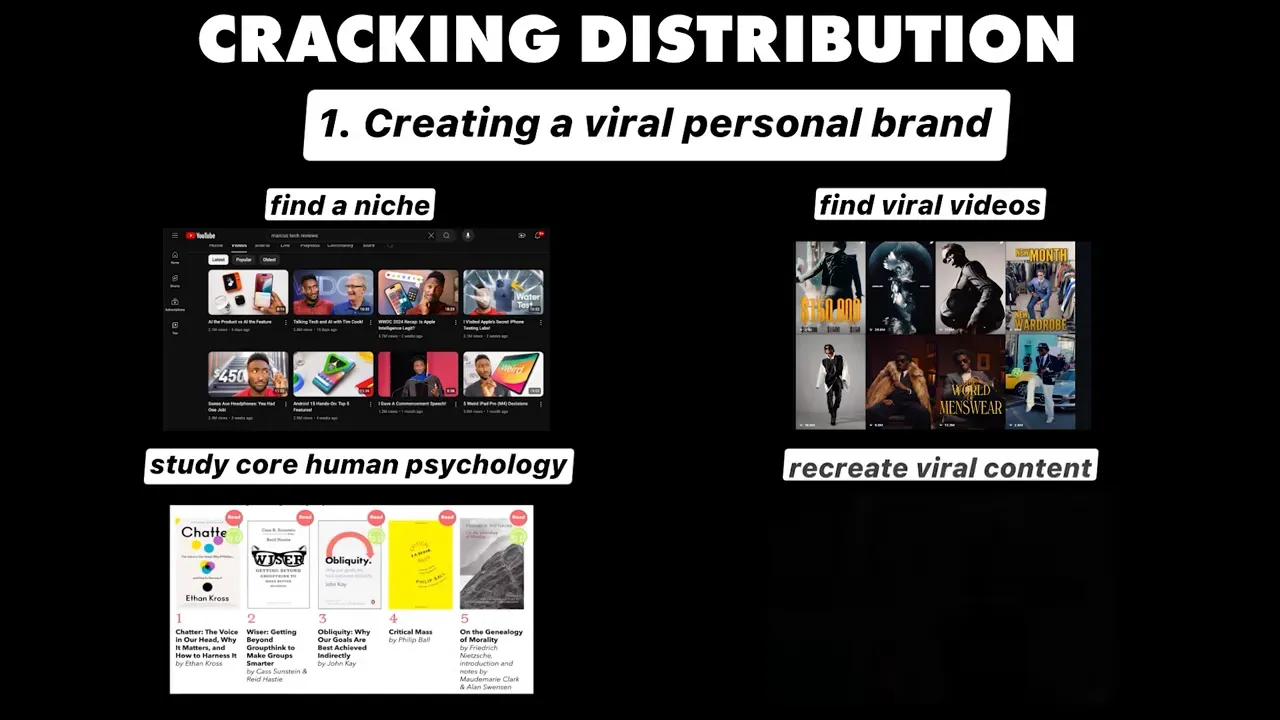
Her framework is surprisingly straightforward:
- Pick a niche
- Find the most viral content in that niche
- Study the psychology behind why it works
- Recreate the winning format repeatedly
That last step matters most. Once a format works, she keeps using it. Not forever in the exact same packaging, but long enough to squeeze the juice out of it. Many people get bored long before the market does.
What kind of content worked best for Stella?
Affirmation content. Specifically, content engineered for saves and shares.
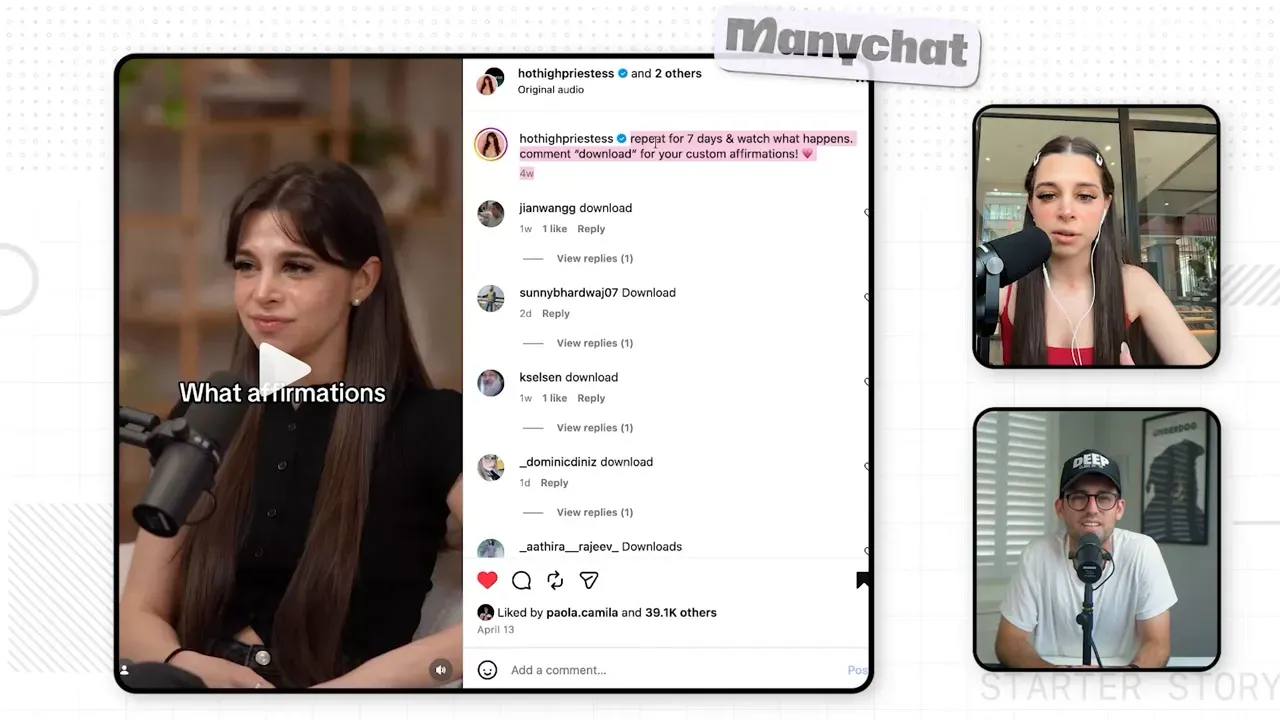
One example she broke down used a hook like repeating affirmations for seven days. That wording nudges people to save the post so they can come back to it. Saves boost engagement. Engagement boosts reach. Reach creates more demand. Nothing mystical there. Just mechanics.
Then she naturally inserts the product into the content. Someone asks how to remember the affirmations, and the answer becomes Stella.
That is the kind of move that makes a product feel inevitable rather than bolted on.
🎯 Marketing That Converts: Content, Demos, and ManyChat
What separated viral content from converting content?
Sarah made an important distinction: some posts are built to spread, while others are built to explain the use case and convert. Sometimes the highest performing content in raw views is not the highest performer in signups.
So the job is to balance both:
- Viral posts create awareness and social proof
- Demo posts show the product in action and answer “why this app?”
That sounds obvious until people spend six months making content that “builds the brand” and somehow never explains what the product does. A classic self own.
How did she use ManyChat?
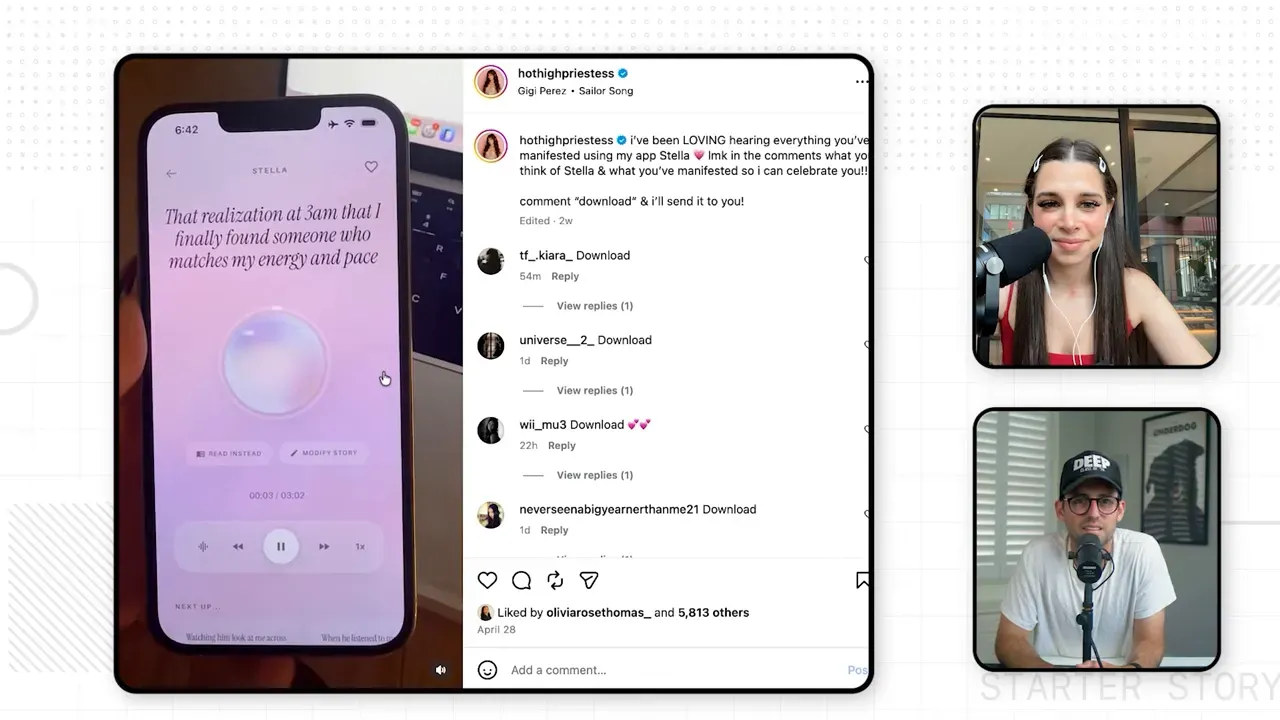
On Instagram, Sarah used ManyChat to capture intent directly from comments. She would tell people to comment a keyword such as “download,” and the system would automatically send them the link or related content.
That matters because it shortens the path between interest and action. No vague “link in bio” scavenger hunt. No asking people to remember something later. The next step arrives while intent is still warm.
She also encouraged reviews through follow up messaging, even asking people to tell her if they reviewed the app so she could thank them personally. Smart. Personal. Lightweight. No giant automation maze required.
What is the takeaway for creators building products?
If content is already pulling attention, the product should slot directly into the native behavior of that content. That is what makes an AI-powered launch system for creators actually useful instead of just sounding expensive on Twitter.
A practical setup might look like this:
- Post one repeatable short form content format
- Use calls to action designed for saves, shares, or comments
- Automate the response to capture intent fast
- Send people to a product that matches the exact promise of the content
That is the system. Not glamorous. Just effective.
🌊 The Bigger Trend: Why Sarah Thinks Women Will Dominate This Space
Why does she believe women are about to dominate app building?
Sarah’s argument is that women already dominate distribution in many corners of the internet, especially in creator driven environments. Historically, the thing blocking many of them from building software was the technical barrier. AI reduces that barrier.
Once distribution and product creation live in the same hands, a lot changes.
She also pointed out that many products have been designed through a narrow lens. There are problems women experience directly that have been underserved simply because the people building tools did not notice them, did not understand them, or never thought they were important enough to solve.
That creates a whole category of products that can feel obvious in hindsight and invisible beforehand.
What does that mean for the market overall?
It means the next wave of winners may not come from traditional software backgrounds at all. They may come from creators, operators, and community builders who already know how to command attention and who understand a niche from the inside.
The old model favored people who had the technical keys. The new model increasingly favors people who understand people.
🪓 The Real Talk: Spite, Fuel, and Working Backward
What advice would Sarah give someone starting from scratch?
Her answer was memorable and not especially polite, which is part of why it landed.
She said spite can be a powerful motivator. Pain, rejection, systems working against someone, being underestimated, those things create fuel. The point was not to stay miserable forever. It was to recognize that difficult seasons often produce the urgency and stamina needed to build something meaningful.
That is not a motivational poster. It is more like a field note.
What was her clearest strategic advice?
Work backward.
Create content first. Find the reactions. Notice the recurring comments. Spot the missing product. Then build around the proven hole in the market.
She sees too much copy paste in the app space, and that is fair. A lot of founders are just making thinner versions of the same thing and acting shocked when nobody cares.
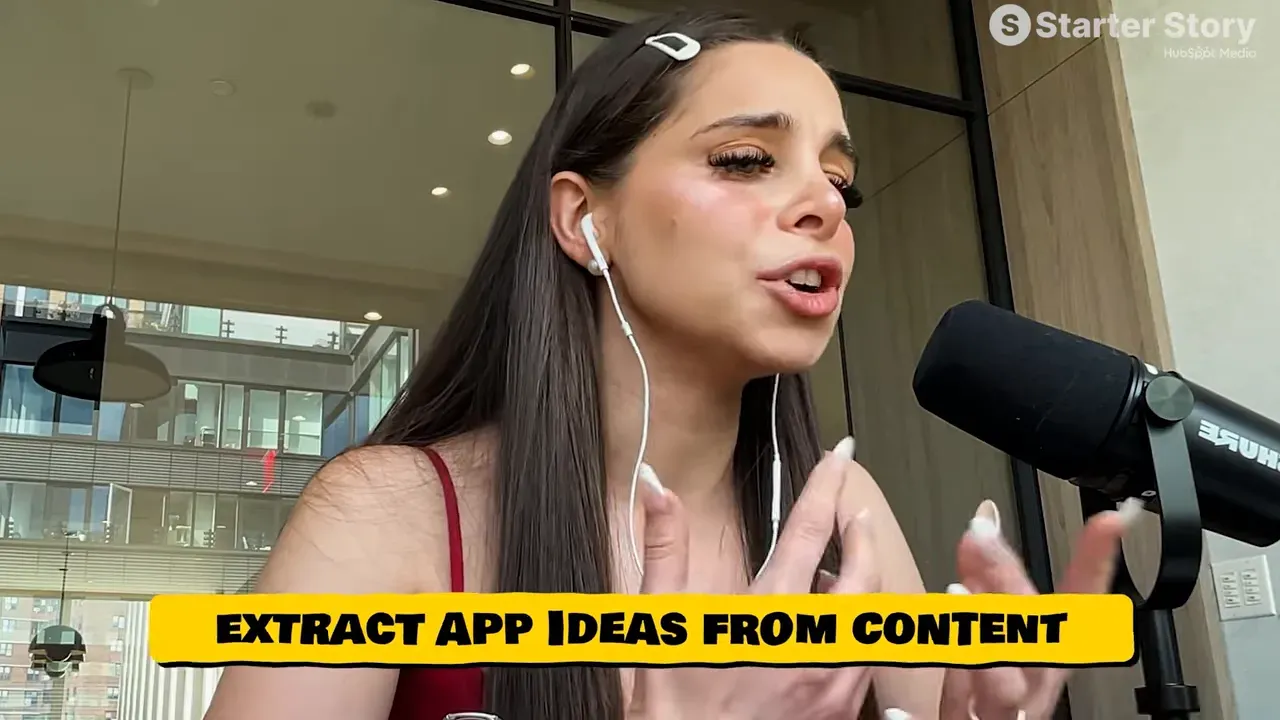
Her recommendation was to pioneer something that solves a problem not already solved, especially if that problem is hiding in plain sight inside a specific community.
Would this approach work again?
Probably, if the builder actually respects the sequence.
Not:
- build random app
- panic
- start posting content as an afterthought
More like:
- find a niche with emotional intensity
- learn the language and content patterns of that niche
- identify what people save, repeat, and ask for
- build a small product that fits that behavior naturally
- ship quickly and refine from real usage
That is the blueprint worth stealing tonight.
❓ FAQ
How did Sarah Pearl build Stella so fast?
She used AI assisted tools like Claude and Google AI Studio, focused on a narrow product scope, and prioritized speed over perfection. The MVP was built in about two days, while the full app took roughly two to three months.
What is Stella?
Stella is a manifestation app that creates custom visualizations and daily affirmations based on a person’s goals and desired future.
Did Stella succeed only because Sarah already had a big audience?
A large audience helped, but Sarah’s core argument is that virality is a skill. She believes distribution can be learned by studying winning content formats, psychology, and repeatable hooks.
What is the best lesson for solo builders from this story?
Build distribution before or alongside the product. Use content to discover what people want, then create a focused MVP around that demand instead of guessing in isolation.
Why is this relevant to an AI-powered launch system for creators?
Because it shows how creators can use AI to turn audience insight into a product quickly, then connect content, automation, and conversion into one compact system that is practical for a solo operator.
What marketing tactics helped Stella convert?
Sarah used repeatable viral affirmation content, clear product demos, and comment based automation with ManyChat to move people from interest to download quickly.
🧩 Final Take
What should builders do with all this?
They should stop worshipping complexity.
Sarah’s story is a useful reminder that the next big product does not need to start as a giant platform. It can start as one emotionally sharp promise, distributed through one repeatable content format, backed by one simple workflow that gets people from curiosity to action.
That is the part worth taking seriously.
For creators and solo operators trying to assemble an AI-powered launch system for creators, the lesson is pretty clean: own attention, listen hard, build the obvious missing thing, and ship before the internet invents a new reason to procrastinate.
Not every app needs to be Stella. But more people could absolutely build like this.
This article was inspired by this amazing video She Built This $300K/Month App in 60 Days. Check out more from their awesome channel.